Pinpoint accuracy
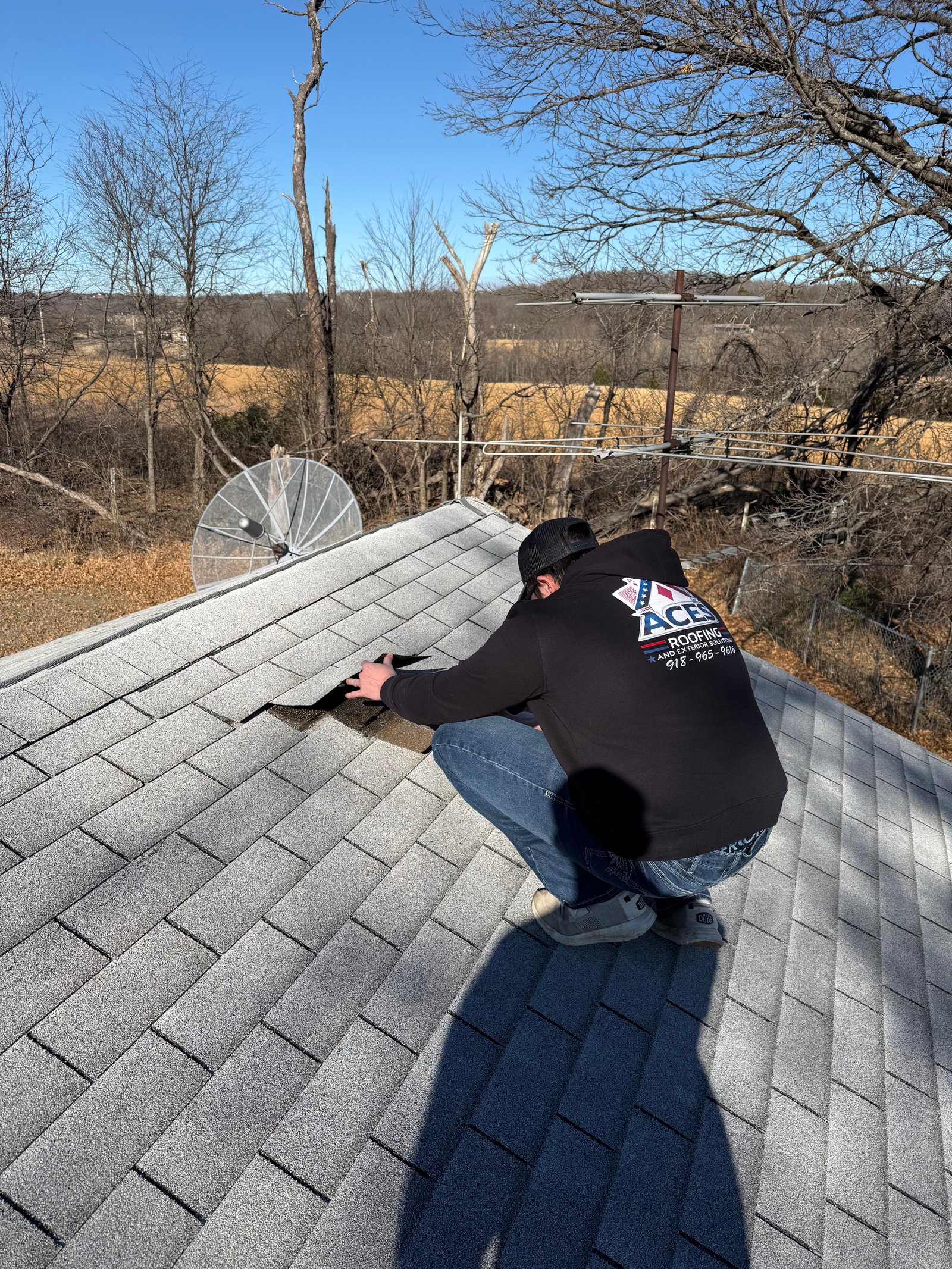
We locate leak sources at shingles, tile, valleys, ridges, vents, skylights, chimneys, and flashing laps, then document what we find so repair services address the real issue.
Pinpoint leaks fast before they damage your home
Zero Hidden Costs · Certified Leak Specialists · Same-Day Inspections · Precision Moisture Mapping · 10-Year Workmanship Guarantee
Roof leak detection is the fastest way to stop water damage from ongoing water intrusion before it stains ceilings, wet insulation, or rots decking. Aces Roofing and Exterior Solutions has provided roof leak detection and repair services since 2010.
Confirming the leak source before repairs begin limits mold growth, rising repair cost, and long-term structural issues across roofs and interior systems.
Pinpoint accuracy
We locate leak sources at shingles, tile, valleys, ridges, vents, skylights, chimneys, and flashing laps, then document what we find so repair services address the real issue.
Non-invasive testing
We scan, probe, and measure moisture using modern technology, so you don't pay unnecessary money for tear off or exploratory damage.
Weather aware diagnostics
We trace wind driven rain issues, storm driven blow back, ice dam symptoms, and condensation conditions that often lead to hidden water damage.
Flat and steep roof coverage
We inspect low slope membranes, metal panels, and shingle systems, including penetrations, seams, drip edge, and underlayment details that commonly cause dripping water.
Repair ready reporting
We provide photos, notes, and a clear repair scope so repair services can seal, patch, flash, or replace the right components.
Roof leak detection is only as good as the technician doing the work. Aces Roofing and Exterior Solutions specializes in tracking how dripping water moves across decking, under underlayment, and around flashing.
Our certified roofers identify the exact entry point, so repairs address the cause rather than surface symptoms.
Roof leak detection is the right next step when water shows up and the source stays hidden. These warning signs often lead to mold, higher repair cost, and long-term damage if ignored.
Ceiling stains that grow after rain
Ceiling stains that grow after rain indicate active roof leaks. Brown rings, soft drywall, and bubbling paint often trace back to nail lines or flashing laps. Water damage can begin far from where dripping water appears.
Dripping at vents, skylights, or chimneys
Dripping at vents, skylights, or chimneys indicates failed roof penetrations. Cracked pipe boots, loose fasteners, failed sealant, and flashing gaps allow water entry during storms.
Musty odors or damp insulation in the attic
Musty odors or damp insulation in the attic indicate trapped moisture or hidden leaks. Wet insulation and damp sheathing create conditions that support mold development.
Recurring leaks on a flat or low slope area
Recurring leaks on a flat or low slope area indicate drainage or membrane failure. Seam separation, membrane punctures, clogged scuppers, and ponding water cause repeated water intrusion.
Warped fascia, peeling soffit paint, or overflowing gutters
Warped fascia, peeling soffit paint, or overflowing gutters indicate drainage problems at the roof edge. Backed up water can travel under the drip edge and enter wall assemblies.
We inspect, trace, and confirm the leak source, then recommend the right repair plan for your roof system based on findings, budget, and long-term maintenance needs.
Intake and history
Leak timing, weather conditions, and repair history indicate how water enters the roof system. We note when leaks appear, storm direction, and prior repairs, especially for first time inspections.
Interior moisture inspection
Interior moisture patterns show how water travels after entering the structure. We check ceilings, walls, and attic areas for staining, mold, wet insulation, and damp decking to map movement.
Exterior roof inspection
Exterior components often reveal the physical source of water entry. We inspect shingles, tiles, flashing, valleys, ridge, vents, skylight curbs, chimney flashing, gutters, downspouts, roof penetrations, step flashing, counterflashing, pipe boots, soffit, and fascia tie ins.
We also evaluate drainage and maintenance issues that lead to recurring leaks. The inspection identifies defects that lead to water damage.
Targeted testing and confirmation
Controlled testing verifies the exact leak entry point. Water testing and infrared technology confirm suspected locations before repairs proceed.
Documentation and repair plan
Inspection findings define repair scope, cost considerations, and next steps for roof repair, flashing replacement, or long-term maintenance services. Photos and notes document conditions so decisions rely on verified evidence.
When damage is confirmed, Aces Roofing can proceed based on documented findings.
Recognized roofing and inspection brands support accurate diagnostics and compatible repairs across residential and commercial roof systems.
FLIR thermal imaging
FLIR thermal imaging identifies temperature differentials that reveal moisture intrusion paths beneath roof surfaces and inside attic assemblies.
Tramex and Protimeter moisture meters
Tramex and Protimeter moisture meters measure moisture levels in decking, insulation, and framing to confirm active water presence.
Delmhorst meters
Delmhorst meters verify wood moisture content to assess structural exposure and determine whether drying or replacement is required.
Leica measurement tools
Leica measurement tools support accurate layout and inspection documentation during roof evaluations.
Werner ladders and 3M safety equipment
Werner ladders and 3M safety equipment provide secure access and fall protection during inspections and repair work.
GAF-compatible materials
GAF-compatible materials are specified when detection leads to repair services to ensure system compatibility and manufacturer-approved installation.
| Core Roof Leak Detection Services | Roof Leak Detection Methods and Inspections | Related Moisture and Leak Detection Services |
|---|---|---|
|
|
|
Roof leak detection is a diagnostic service that finds where water enters the roof system before it causes damage. It helps prevent mold growth, ceiling stains, and structural decay by identifying the problem early.
Roof leak detection uses visual inspection, moisture readings, and targeted testing to trace dripping water back to its source.
Schedule roof leak detection as soon as water appears indoors. Early detection helps reduce repair costs, prevent hidden damage, and preserve structural materials.
Yes. Roof leak detection finds hidden leaks behind insulation, under underlayment, and around flashing. Technicians use infrared cameras, moisture meters, and pressure testing to locate concealed water paths.
Yes. Roof leak detection provides documentation that supports insurance claims by explaining water damage, its source, and required repairs. Licensed reports help validate storm or accident-related causes.
Roof leak detection usually takes one to two hours. Duration depends on roof size, slope, material type, and previous maintenance history.
Schedule a roof leak detection inspection to confirm the source, understand repair options, and prevent further water damage before conditions worsen.